
What to Know Before Taking Your Dog on a Snowshoe Hike in Lake Tahoe
Luke Iles – Uploaded 20.06.2026

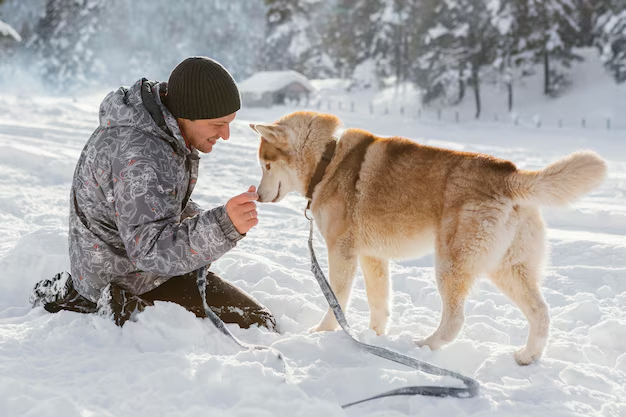
Lake Tahoe is one of the most beautiful outdoor destinations in the United States, attracting visitors year-round with its crystal-clear waters, mountain scenery, and extensive trail networks.
During the winter months, the region transforms into a snowy playground filled with opportunities for hiking, snowshoeing, and other outdoor activities.
The area’s natural beauty and extensive trail network make it an especially appealing destination for pet owners who enjoy exploring the outdoors with their dogs. With so many options for dog-friendly hikes in Lake Tahoe, it’s easy to see why the region has become a favorite destination for outdoor enthusiasts and their four-legged companions. For those looking to explore these trails safely and confidently, Snowshoe Tahoe offers guided outdoor experiences that help visitors and their pets make the most of Lake Tahoe’s remarkable landscapes.
Before taking your dog on a snowshoe hike in Lake Tahoe, it is important to prepare for winter conditions, understand your dog’s physical limits, and bring the right gear. Choosing a trail that is suitable for both you and your pet is equally important. With proper planning and preparation, you can ensure a safe, comfortable, and enjoyable adventure for everyone involved.
Make Sure Your Dog Is Ready for Winter Hiking
Not every dog is naturally suited for snowshoe adventures. While some breeds thrive in cold weather, others may struggle with low temperatures, deep snow, or extended physical activity. Consider your dog’s age, fitness level, and overall health before planning a hike.
Puppies, senior dogs, and pets with certain medical conditions may be tired more quickly or have difficulty navigating snowy terrain. If your dog is new to winter hiking, start with shorter outings before attempting longer snowshoe routes.
Check Trail Conditions Before You Go
Weather and trail conditions can change rapidly in the mountains. Before heading out, review recent weather forecasts and check trail reports whenever possible. Heavy snowfall, icy sections, or strong winds can make some trails challenging or unsafe.
Choosing a well-traveled route often provides firmer snow conditions and makes navigation easier for both hikers and dogs. Being flexible with your plans can help you avoid unnecessary risks if conditions deteriorate.
Bring Essential Supplies
Packing the right equipment can make a significant difference during a winter outing. In addition to your own snowshoe gear, your dog may need a few extra items.
Consider bringing:
- Fresh water and a collapsible bowl
- High-energy treats or snacks
- A leash and secure harness
- Waste bags
- A pet first-aid kit
- A warm jacket for short-haired breeds
Even in cold weather, dogs can become dehydrated during physical activity, so regular water breaks are important.
Protect Your Dog’s Paws
Snow, ice, and rough terrain can be hard on a dog’s paws. Ice crystals may collect between paw pads, causing discomfort and irritation during longer hikes.
Many pet owners use dog booties to provide additional protection.
If your dog is not comfortable wearing boots, applying a pet-safe paw balm before and after the hike can help reduce dryness and cracking. Take time to inspect your dog’s paws periodically throughout the hike, especially after crossing icy or rocky sections.
Watch for Signs of Fatigue
Dogs often become excited outdoors and may continue moving long after they begin feeling tired. It is important to monitor your pet for signs of exhaustion.
Common indicators include:
- Excessive panting
- Slowing pace
- Frequent stopping
- Limping
- Reluctance to continue
If your dog appears fatigued, take a break or consider turning back. A successful hike is one where both you and your pet return safely and comfortably.
Respect Wildlife and Other Trail Users
Winter is an important season for local wildlife, and unnecessary disturbances can create stress for animals already coping with harsh conditions. Keep your dog under control at all times and follow leash regulations where required.
Being respectful of wildlife, other hikers, and cross-country skiers helps preserve the experience for everyone. Many popular areas known for dog-friendly hikes Tahoe visitors enjoy remain accessible because responsible pet owners follow trail guidelines and practice good outdoor etiquette.
Plan for a Safe Return
Winter daylight hours are shorter, so start your hike early enough to return before sunset. Carry a fully charged phone, let someone know your planned route, and be prepared for changing conditions.
The goal is not simply reaching a destination but enjoying the experience while keeping both you and your dog safe throughout the journey.
Key Takeaways
- Dog friendly hikes in Tahoe provide excellent opportunities for outdoor adventures, but choosing a trail that matches your dog’s fitness level is essential
- Check weather and trail conditions before leaving
- Pack water, snacks, waste bags, and emergency supplies
- Protect your dog’s paws from snow and ice
- Watch closely for signs of fatigue or discomfort
Read Travel Blogs & More
Disclosure: Some links in this article may be affiliate links, which can provide compensation to HandL Blogs at no cost to you if you decide to purchase through these links. These are products we have personally used and stand behind. This site is not intended to provide financial advice and is for entertainment only. You can read our affiliate disclosure in our privacy policy.

Luke Iles
Luke is a leading travel writer within the travel niche and is also a co-founder of HandL Blogs one of the UK’s leading travel blogging websites. Luke has a love of all things travel.
Initially becoming friends with his other co-founder, Harry, at the age of four years old, they let their love for travel evolve, making it their mission to visit every country in the world!
Today they want to share their passion and experiences of travelling across the globe with written blogs on topics that are most important to them. From travel, cooking, fitness and tech blogs!
Whether that be trying new food in a new country and sharing it in a cooking blog; visiting a new gym in a certain city and reviewing it in a fitness blog or learning about the newest tech within the travel industry.
Disclosure: Some links in this article may be affiliate links, which can provide compensation to HandL Blogs at no cost to you if you decide to purchase through these links. These are products we have personally used and stand behind. This site is not intended to provide financial advice and is for entertainment only. You can read our affiliate disclosure in our privacy policy.