
How to Visit Bangkok's Temples Respectfully: Dos and Don'ts for First-Time Visitors
Luke Iles – Uploaded 11.06.2026

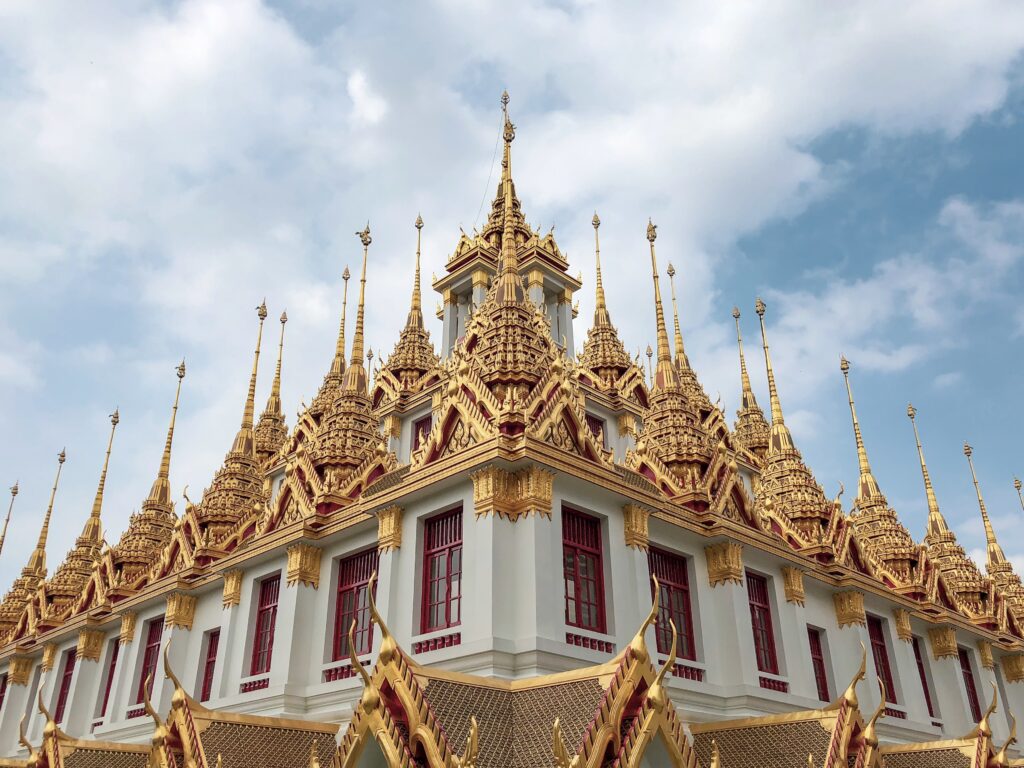
Step through the gates of a Bangkok temple at sunrise and you understand quickly that you have walked into something far bigger than a photo opportunity.
These places are alive. Monks sweep the courtyards, locals kneel before gilded shrines, incense drifts through the morning heat, and the gold spires catch the first light off the Chao Phraya. They are called wats in Thai, and there are tens of thousands of them across the country, with some of the most sacred sitting right in the heart of the capital.
After spending months living and working in Thailand, I have lost count of how many temples I have visited and how many small etiquette slip-ups I have watched tourists make at the entrance gate. Most of those mistakes are easy to avoid once you know the unwritten rules.
This guide breaks down exactly how to visit Bangkok’s temples respectfully, covering the dress code, how to behave around monks, photography etiquette, and the cultural details that separate a thoughtful visitor from an awkward one.
Get these right and your temple visits stop being a tourist checklist. They become one of the most memorable parts of any trip to Bangkok.
Quick Dos and Don'ts for Bangkok Temples
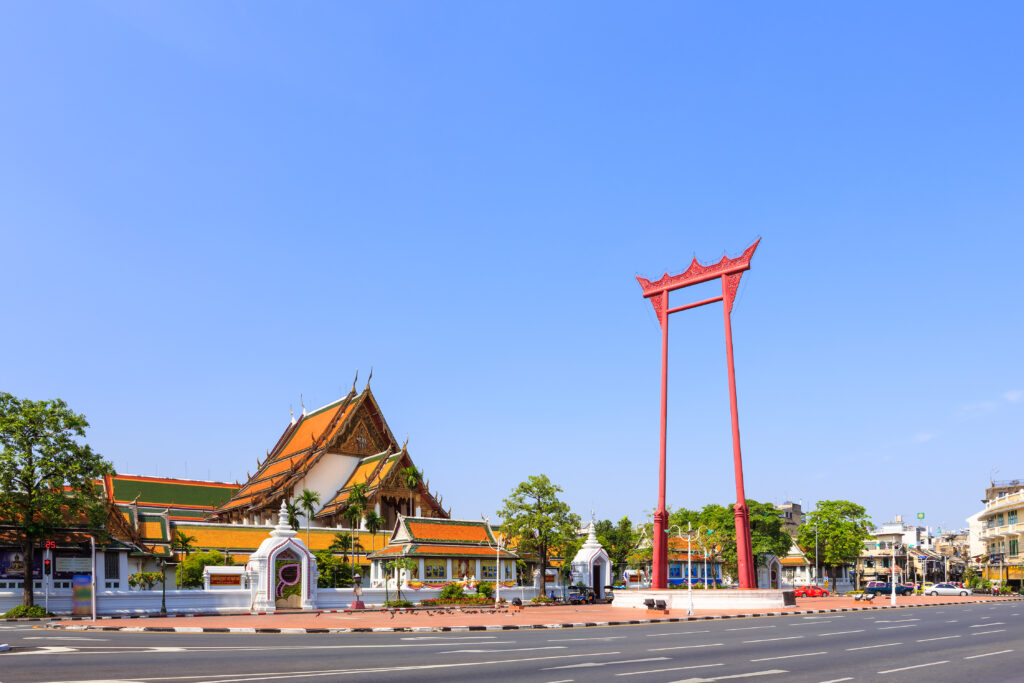
Short on time? Here is the cheat sheet. Scroll past it for the full explanation behind each point.
Do:
- Cover your shoulders and knees before you arrive
- Remove your shoes before entering any prayer hall
- Lower your voice and switch your phone to silent
- Greet monks and locals with a gentle wai (palms together)
- Sit with your feet tucked behind you, pointing away from the Buddha
- Walk clockwise around shrines and stupas
- Drop a small donation in the merit box if you have enjoyed your visit
Don’t:
- Wear shorts, vests, leggings, ripped jeans or anything see-through
- Touch, climb on or pose intimately with a Buddha image
- Point your feet at a Buddha statue, a monk or another worshipper
- Touch a monk if you are a woman, or hand items to one directly
- Use flash photography or photograph people without asking
- Turn your back on the main Buddha for a selfie
- Smoke, vape, drink alcohol or show public affection on temple grounds
Why Temple Etiquette in Bangkok Actually Matters
Worth understanding before anything else: a Thai temple is not a museum. It is a working place of worship, a school, a community hub and often a place where people come to grieve or seek comfort. When you walk in, you are stepping into a space that holds deep meaning for the people around you. The rules below are not arbitrary hoops to jump through. Each one is a small act of respect that Thai people notice and appreciate.
The good news is that locals are forgiving. Nobody expects a first-time visitor to know every custom, and a genuine effort goes a long way. Thais are far more likely to reward a smile and a covered pair of shoulders than to scold an honest mistake. The point is not perfection. The point is showing that you care enough to try.
The Bangkok Temple Dress Code: What to Wear
If there is one rule that trips up more visitors than any other, it is the dress code. Guards at the bigger temples genuinely check what you are wearing, and they will turn you away or send you to a rental stall if you show up underdressed.
Here is what respectful temple clothing looks like:
- Shoulders covered. No tank tops, vests or spaghetti straps. A simple t-shirt or a lightweight long-sleeve shirt works perfectly. Worth knowing: at the strictest royal temples, draping a scarf over a sleeveless top is not accepted. The shoulders need to be properly covered by the garment itself.
- Knees covered. Long trousers are the safest bet for everyone. Skirts and dresses are fine as long as they sit below the knee. Skip the shorts, even the smart ones, at the major sites.
- Nothing tight or revealing. Leggings, yoga pants, ripped jeans and see-through fabrics will all get you stopped at the Grand Palace and Wat Phra Kaew.
- Easy-off shoes. You will be slipping these on and off all day, so sandals or slip-ons make life easier than laced boots, even though footwear comes off before you enter any building.
In Bangkok’s heat, loose cotton and linen are your friends. They keep you cool and they keep you covered, which is exactly the balance you want.
Pro tip: Carry a lightweight sarong or a large scarf in your day bag at all times. It weighs almost nothing and it saves you from renting a cover-up (usually 20 to 50 baht, sometimes with a refundable deposit) every time you pass a temple you did not plan to enter. If you do forget, most major temples and the stalls around them rent or sell fisherman pants and shawls, so you are never truly stuck.
A Note on the Strictest Temples
Royal temples enforce the dress code hardest because the grounds are still used by the Royal Family for ceremonies. The Grand Palace and Wat Phra Kaew (home of the Emerald Buddha) sit at the top of that list, so dress conservatively: long trousers and proper sleeves, no exceptions. Wat Pho is a touch more relaxed but still expects covered shoulders and knees. When in doubt, assume the stricter standard and you will never be caught out.
How to Behave Around Monks
Monks hold a deeply respected position in Thai society, and a few specific customs apply when you are near them.
Greet a monk with a small bow or a wai, which means placing your palms together at chest height and lowering your head slightly. There is no need to overthink it. Sincerity matters far more than technique.
The most important rule applies to women. A monk is not permitted any physical contact with a woman, not even a handshake. If you are a woman and you need to pass something to a monk, place it down on a cloth or a tray for him to collect, or hand it to a male intermediary. This is not a slight against women. It is simply part of the monastic code, and locals will quietly appreciate you knowing it.
A few more pointers: keep your head lower than a monk’s when you sit near one, never sit higher than a senior monk, and always ask before taking a close-up photograph. Many Thai monks are warm and chatty, happy to use public transport, send emails and crack jokes, so do not be surprised if a conversation strikes up naturally. Just lead with respect.
Feet, Heads and Why Direction Matters
This one feels strange to Western visitors but it is central to Thai culture. The head is considered the most sacred part of the body and the feet the lowest and dirtiest. That single idea explains a surprising number of temple rules.
So, never point your feet at a Buddha image, a monk or another person. When you sit inside a temple, tuck your feet behind you in what locals call the mermaid pose, with your toes pointing away from the Buddha. Men often sit cross-legged, while women typically kneel with their feet tucked back.
The flip side of the rule: do not touch anyone on the head, and do not point at sacred objects with your finger or your foot. If you need to gesture toward something, use your whole right hand with the palm facing up. Small detail, big signal of respect.
Photography Etiquette Inside Temples
Most Bangkok temples allow photography, but a handful of rules keep it respectful, and a few sacred spaces ban it outright. The ordination hall housing the Emerald Buddha at Wat Phra Kaew, for example, does not permit any photos or video.
Where you can shoot, follow these habits:
- Switch off your flash. It disturbs worshippers and can damage delicate murals and gold leaf.
- Never climb on, lean against or drape yourself over a Buddha statue for a photo. No selfies with the Buddha, ever.
- Keep a respectful distance from the main image and avoid turning your back on it for a posed shot.
- Ask before photographing monks, worshippers or anyone in prayer. Not everyone wants to be on your camera roll.
- Shoot discreetly, ideally from a kneeling or seated position rather than looming over a shrine.
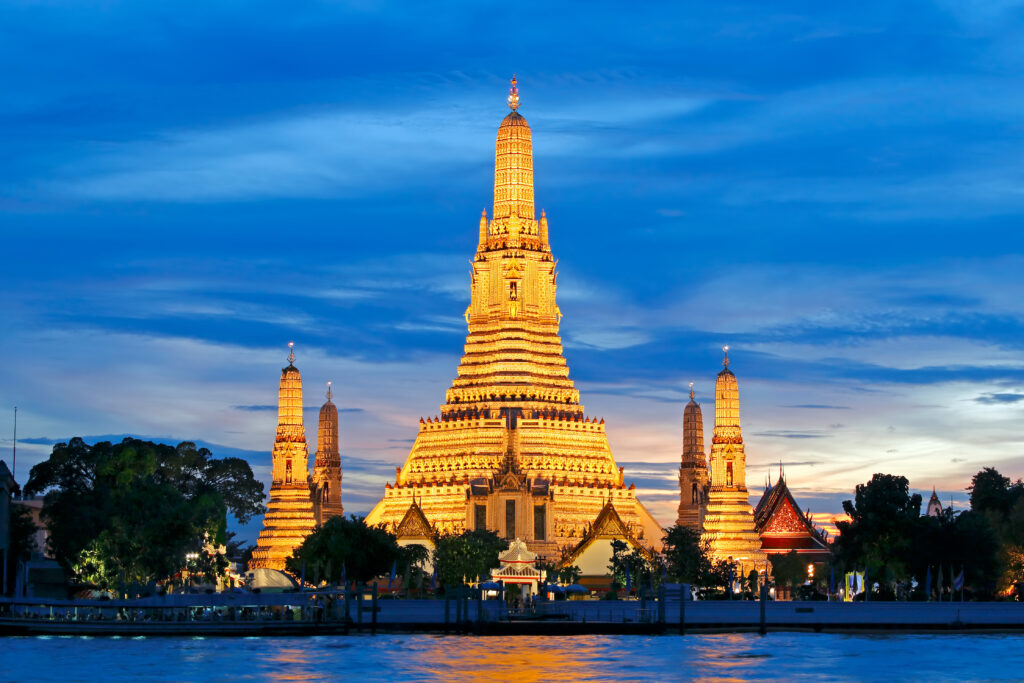
If your goal is standout temple photography, the light does most of the work. Wat Arun, the Temple of Dawn, glows at sunrise and sunset, and the view from the opposite riverbank or from one of Bangkok’s river cruises gives you a wider, less crowded composition.
Quiet, Donations and Making Merit
Treat a prayer hall the way you would treat a library. Keep your voice to a near-whisper, silence your phone, and avoid playing music or taking calls. The space directly in front of the main Buddha is reserved for worshippers and monks, so observe from the back or the sides if a service is underway.
When it comes to money, most temples have metal donation boxes dotted around the grounds. Giving is never required and never expected of visitors, but Thais see it as a way of making merit, a small good deed that builds positive karma. If you have enjoyed your visit and taken a few photos, dropping 20 baht or so in a box on your way out is a quiet, gracious gesture. At Wat Pho you can buy a bowl of 108 coins for a small donation and drop them one by one into the row of bronze bowls, a ritual believed to bring good fortune.
One thing to watch: small Buddha statues are sold at and around many temples, and buying one is perfectly legal. Taking it out of the country, however, is technically not, so think twice before packing one home.
A Few Practical Tips Before You Go
- Walk clockwise around stupas, chedis and central shrines. When unsure of any custom, watch what the locals do and mirror them.
- Remove hats and sunglasses before entering temple buildings, not just your shoes.
- Learn a couple of words. Sawasdee (hello), khop khun (thank you), with krub added by men and ka by women, will earn you instant goodwill.
- Watch for the closed-temple scam. A friendly stranger near the Grand Palace who tells you it is shut for a holiday and offers a cheap tuk-tuk tour is almost always running a scam. The big temples are open daily. Walk past and check the official entrance yourself.
- Mind the opening hours and fees. The Grand Palace and Wat Phra Kaew open daily from 8:30am to 3:30pm with a 500 baht entry, Wat Pho runs roughly 8:00am to 6:30pm, and Wat Arun is a cheap ferry ride across the river. Getting between them is easiest if you know how to use Bangkok’s public transport like a local, and a little planning keeps the day affordable if you are exploring Bangkok on a budget.
Expert tip: Start at the Grand Palace right on opening, before the tour buses roll in and the heat builds. Temple fatigue is real. After two or three back to back, the gold and mosaics start to blur, so pace yourself by alternating temples with shaded breaks rather than cramming in five before lunch.
Where to Refuel After Temple-Hopping
A morning of temples in the Bangkok heat earns you a serious appetite, and the streets around the old town deliver. Once you have left your shoes back on and worked up some hunger, this is the part of the day to eat well.
Wat Pho sits a short walk from some of the city’s best eating. For a no-nonsense plate, hunt down the best pad Thai in Bangkok, or cool down with the best mango sticky rice in Bangkok. If you would rather sit down and plan properly, our guide to eating out in Bangkok and our roundup of the best places to eat in Bangkok map out where to go.
Temple days that run into the evening pair perfectly with the city’s night food scene. Dive into the best late-night street food in Bangkok, or learn the backstory with our look at the history of Thai street food. For something more local, track down where to find authentic Isaan food, settle in for a Thai hot pot, or go upmarket with the best seafood restaurants in Bangkok and the city’s floating restaurants.
Need a break from the heat between sites? Duck into one of the best coffee shops in Bangkok or a dessert cafe, grab a bubble tea to go, or seek out the best organic restaurants in Bangkok if you want something lighter. Travellers keen to eat the way locals do should read how to eat like a local in Bangkok, and if you would rather cook than queue, a Thai cooking class turns a temple day into a hands-on one.
Making It Part of a Bigger Bangkok Trip
Temples slot neatly into a wider itinerary. The floating markets just outside the city, covered in our guide to the best floating markets in Bangkok, make a natural early-morning pairing, while the city’s local markets and seasonal food festivals add colour to the afternoons.
There is plenty here for active travellers too. Wat Pho is the birthplace of traditional Thai massage, so book a session at its famous school once you have toured the grounds. Beyond the temples, you can catch a Muay Thai bout for a taste of Thai tradition in motion. Anyone keeping a routine on the road will want our tips on maintaining your fitness while travelling in Bangkok, along with the best running spots, yoga studios for some post-temple calm, cycling routes, rock climbing gyms, CrossFit boxes, personal training studios and healthy meal prep services.
And when the city starts to wear you down, the beaches are closer than you think. Trade the temples for turquoise water with our guide to the best places to visit on the Andaman Coast.
FAQs About Visiting Bangkok's Temples
What should I wear to visit temples in Bangkok?
Cover your shoulders and knees. Long trousers or a below-the-knee skirt paired with a t-shirt or long-sleeve top is ideal. Avoid shorts, vests, leggings, ripped jeans and see-through fabrics, especially at the Grand Palace and Wat Phra Kaew where the dress code is strictly enforced.
Do I have to take my shoes off in Thai temples?
Yes. You remove your footwear before entering any prayer hall or temple building. You can usually keep your shoes on while walking around the outdoor grounds. Watch where locals leave theirs and follow suit.
Can women touch monks in Thailand?
No. Monks are not allowed physical contact with women, including handshakes. If you need to give a monk an item, place it down for him to pick up or pass it through a man.
Is photography allowed inside Bangkok's temples?
In most cases, yes, but without flash and always respectfully. Some sacred halls, such as the room housing the Emerald Buddha at Wat Phra Kaew, ban photos entirely. Never pose with or climb on Buddha statues, and ask before photographing monks or worshippers.
How much does it cost to visit Bangkok's temples?
Many temples are free, though the major ones charge foreigners a small fee. The Grand Palace and Wat Phra Kaew cost around 500 baht, Wat Pho is roughly 200 baht, and Wat Arun is a few baht plus a cheap river ferry. Donations elsewhere are optional.
What is the best time of day to visit Bangkok temples?
Early morning, right on opening. You beat the tour groups, the light is soft and beautiful for photos, and the heat is far more bearable than midday.
Can you wear jeans to visit Bangkok temples?
Yes. Full-length jeans count as long trousers and are perfectly fine, as long as they are not ripped or torn. It is shorts, skirts above the knee and distressed denim that cause problems at the stricter sites like the Grand Palace.
Do you need to cover your hair in Bangkok's temples?
No. Thai Buddhist temples do not ask you to cover your hair. If anything, do the opposite and remove any hat before you step inside a temple building.
Which temples in Bangkok are most worth visiting?
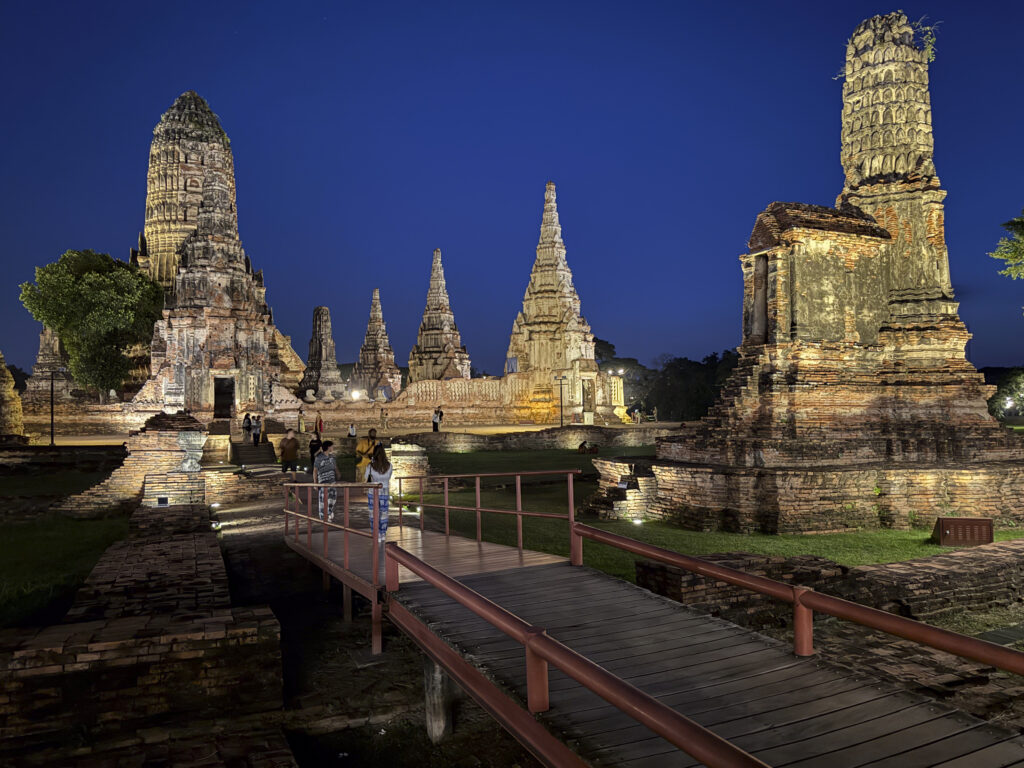
The big three sit together on the river: the Grand Palace with Wat Phra Kaew and the Emerald Buddha, Wat Pho with its giant reclining Buddha, and Wat Arun across the water. Add Wat Traimit for its solid gold Buddha in Chinatown and Wat Saket, the Golden Mount, for skyline views.
Final Thoughts
Visiting Bangkok’s temples respectfully comes down to a handful of simple habits: dress modestly, lower your voice, mind your feet, keep your distance from the Buddha, and treat the monks and worshippers around you with quiet courtesy. None of it is complicated, and none of it asks much of you beyond a little awareness.
Do it well and you get far more back than a good photo. You get a genuine glimpse into the spiritual heart of Thai life, the part of Bangkok that the rooftop bars and night markets can never quite show you. Cover up, slip your shoes off, and take your time. The temples reward visitors who slow down.
Read Travel Blogs and More
Disclosure: Some links in this article may be affiliate links, which can provide compensation to HandL Blogs at no cost to you if you decide to purchase through these links. These are products we have personally used and stand behind. This site is not intended to provide financial advice and is for entertainment only. You can read our affiliate disclosure in our privacy policy.

Luke Iles
Luke is a leading travel writer within the travel niche and is also a co-founder of HandL Blogs one of the UK’s leading travel blogging websites. Luke has a love of all things travel.
Initially becoming friends with his other co-founder, Harry, at the age of four years old, they let their love for travel evolve, making it their mission to visit every country in the world!
Today they want to share their passion and experiences of travelling across the globe with written blogs on topics that are most important to them. From travel, cooking, fitness and tech blogs!
Whether that be trying new food in a new country and sharing it in a cooking blog; visiting a new gym in a certain city and reviewing it in a fitness blog or learning about the newest tech within the travel industry.
Disclosure: Some links in this article may be affiliate links, which can provide compensation to HandL Blogs at no cost to you if you decide to purchase through these links. These are products we have personally used and stand behind. This site is not intended to provide financial advice and is for entertainment only. You can read our affiliate disclosure in our privacy policy.