
5 Things to Know Before Traveling to Uganda
Luke Iles – Uploaded 29.05.2026

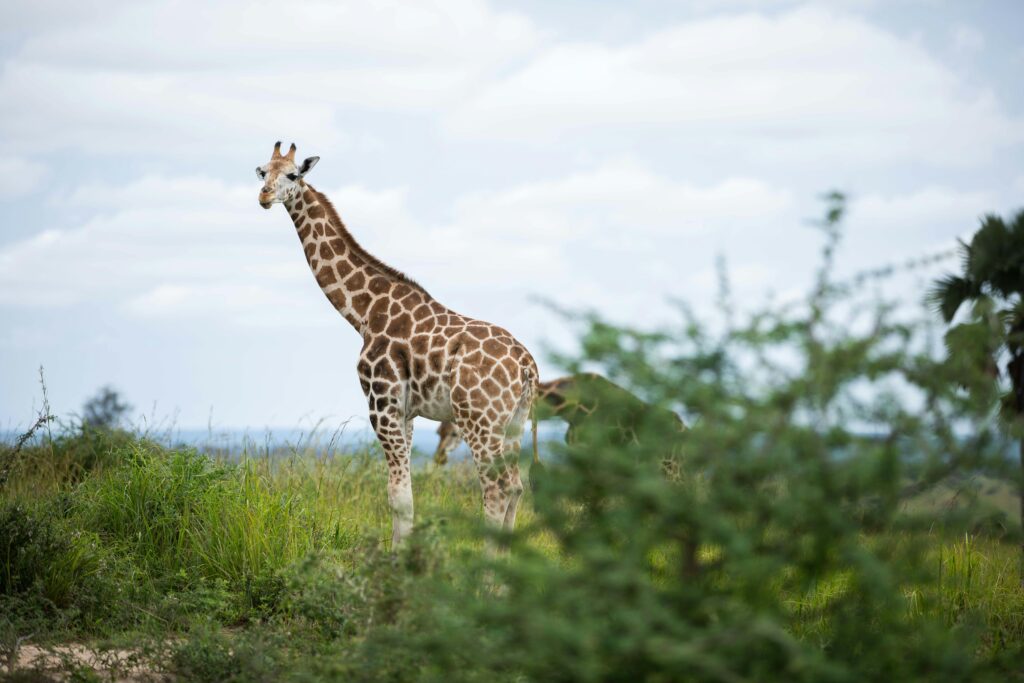
Uganda, often called the Pearl of Africa, is a destination that promises extraordinary wildlife encounters, stunning landscapes, and rich cultural experiences.
However, like any international adventure, visiting this East African nation requires some preparation and knowledge to ensure your trip is both safe and memorable. Whether you’re planning to trek with mountain gorillas or explore the source of the Nile, understanding what to expect will help you make the most of your Ugandan journey.
Visa Requirements Are Straightforward but Must Be Arranged in Advance
Most international visitors need a visa to enter Uganda, but the good news is that the process is relatively simple. You can apply for an e-visa online before your departure, which typically takes three to five business days to process. The standard tourist visa costs $50 and is valid for 90 days.
Make sure your passport has at least six months of validity remaining from your date of entry. It’s also wise to print copies of your visa approval and keep them with your travel documents, as internet access may be limited in some areas. Some nationalities can obtain a visa on arrival, but applying online beforehand saves time and potential complications at the airport.
If you’re planning to visit neighboring countries like Rwanda or Kenya during your trip, consider the East Africa Tourist Visa, which allows multiple entries across all three nations for $100.
Health Precautions and Vaccinations Are Essential
Uganda is located in a yellow fever endemic zone, which means proof of yellow fever vaccination is mandatory for entry. This requirement is strictly enforced, so schedule your vaccination at least ten days before travel to ensure it’s valid.
Beyond yellow fever, consult with a travel health clinic about additional recommended vaccinations such as hepatitis A and B, typhoid, and routine immunizations. Malaria is prevalent throughout most of Uganda, so antimalarial medication is strongly advised. Pack insect repellent with DEET and consider treating your clothing with permethrin for added protection.
Don’t drink tap water in Uganda. Stick to bottled or purified water, and be cautious with ice in drinks. Many travelers also pack a basic medical kit with essentials like anti-diarrheal medication, pain relievers, and any prescription medications you regularly take.
The Climate Varies by Region and Season
Uganda straddles the equator, giving it a relatively stable climate year-round, but there are still distinct wet and dry seasons to consider. The dry seasons from June to August and December to February are generally the best times to visit, offering easier trekking conditions and better wildlife viewing opportunities.
The wet seasons occur from March to May and September to November, bringing heavy afternoon rains that can make roads muddy and hiking trails challenging. However, these months also offer lush green landscapes and fewer tourists, which some travelers prefer.
Temperature variations depend more on altitude than season. The highlands can be quite cool, especially in the mornings and evenings, while lower elevations remain warm throughout the year. Pack layers so you can adjust to different microclimates as you move around the country.
Gorilla Trekking Permits Require Early Planning
One of Uganda’s biggest draws is the opportunity to observe endangered mountain gorillas in their natural habitat. However, gorilla trekking permits are limited and must be booked well in advance. Each permit costs $700 per person and allows one hour with a gorilla family.
Only a limited number of permits are issued daily to minimize human impact on the gorillas, and they often sell out months ahead, especially during peak season. If gorilla trekking is a priority for your trip, book your permit as soon as your travel dates are confirmed.
Many visitors choose small group tours to Uganda that handle permit bookings and logistics, which can significantly reduce the stress of planning this once-in-a-lifetime experience. These organized tours also provide experienced guides who enhance the overall experience with their knowledge of gorilla behavior and the surrounding ecosystem.
Currency and Payment Methods Can Be Tricky
The Ugandan shilling is the official currency, and while US dollars are widely accepted for major expenses like accommodation and tour activities, you’ll need local currency for everyday purchases. ATMs are available in major cities like Kampala and Entebbe, but they become scarce in rural areas.
Credit cards are accepted at upscale hotels and some restaurants in urban centers, but cash remains king throughout most of the country. When bringing US dollars, make sure they’re newer bills printed after 2006, as older notes are often rejected due to counterfeiting concerns.
It’s smart to carry a mix of payment options and notify your bank of your travel plans to avoid having your cards blocked for suspicious activity.
Final Thoughts
Uganda offers travelers an authentic African experience filled with incredible wildlife, welcoming people, and diverse landscapes. By preparing properly with the right documentation, health precautions, and realistic expectations about logistics, you’ll set yourself up for an unforgettable adventure. Take time to research, plan ahead, and remain flexible, and you’ll discover why this remarkable country truly deserves its reputation as the Pearl of Africa.
Read Travel Blogs & More
Disclosure: Some links in this article may be affiliate links, which can provide compensation to HandL Blogs at no cost to you if you decide to purchase through these links. These are products we have personally used and stand behind. This site is not intended to provide financial advice and is for entertainment only. You can read our affiliate disclosure in our privacy policy.

Luke Iles
Luke is a leading travel writer within the travel niche and is also a co-founder of HandL Blogs one of the UK’s leading travel blogging websites. Luke has a love of all things travel.
Initially becoming friends with his other co-founder, Harry, at the age of four years old, they let their love for travel evolve, making it their mission to visit every country in the world!
Today they want to share their passion and experiences of travelling across the globe with written blogs on topics that are most important to them. From travel, cooking, fitness and tech blogs!
Whether that be trying new food in a new country and sharing it in a cooking blog; visiting a new gym in a certain city and reviewing it in a fitness blog or learning about the newest tech within the travel industry.
Disclosure: Some links in this article may be affiliate links, which can provide compensation to HandL Blogs at no cost to you if you decide to purchase through these links. These are products we have personally used and stand behind. This site is not intended to provide financial advice and is for entertainment only. You can read our affiliate disclosure in our privacy policy.